
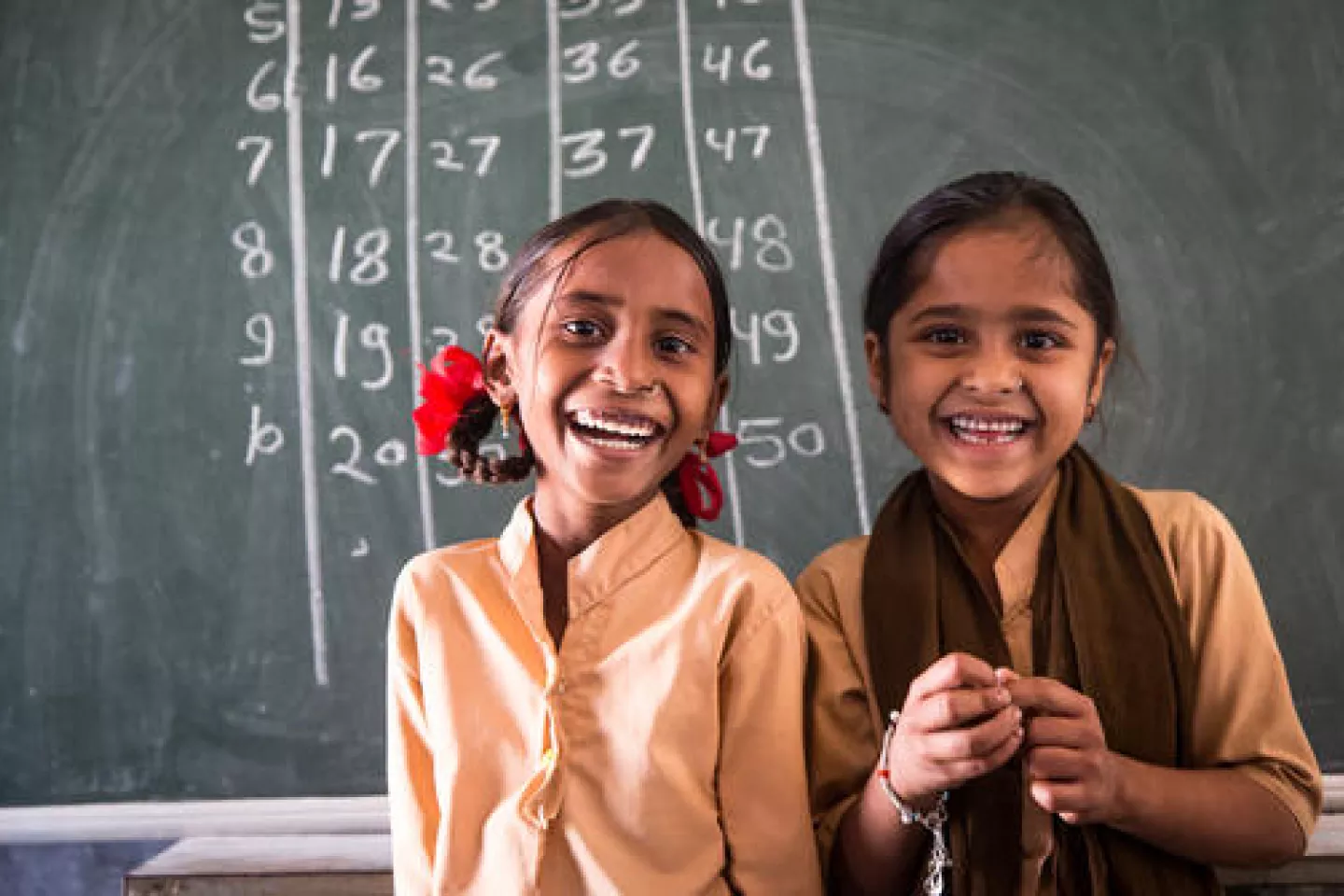
Here’s what will change for students in schools and colleges
- November 18, 2026
- 0
Through a mix of regulatory changes and developmental initiatives, MHRD will institutionalise a new set of educational standards.
“We have received all the necessary feedback from the stakeholders. The policy is expected to give a boost to the way subjects are taught in secondary and higher education,” said an official.
The MHRD’s goal is for students to develop holistically. The idea is that it will be better if there are more courses available in multiple languages. However, nothing is .
The first move will be to give a boost to classical languages. Here, languages like Odia, Telugu, Tamil, Pali, and Malayalam apart from Sanskrit will be introduced in schools. This is likely to be from Classes 6 to 8.
The idea is to not have these languages as a mandatory subject but instead to have a ‘fun’ approach to the languages. The phonetics of the languages, as well as their history and origin, would be taught. Additionally, pertinent literature from these languages will be translated into the… NEP is likely to make a series of changes in the way board examinations are conducted in India. Here, the student would be able to choose from a new selection of elective subjects. It is likely that a higher emphasis will be placed on core concepts and skills.
The biggest change could be a change in the way the examination is conducted. It is likely that students may get two to three chances every year to give the examination to reduce the stress of failure. In addition, schools might be advised… The MHRD wants to combine the All India Council for Technical Education (AICTE) and the University Grants Commission (UGC). There will be one regulatory body, and the various regulatory bodies that are already in place will take on new roles. As the single regulatory body for the entire higher education sector, the National Higher Education Regulatory Authority (NHERA) will be established. Post this, the university grants commission and existing regulatory bodies will be transformed into the Higher Educ…
For children between the ages of 6 and 14, the Right to Education Act (RTE) calls for free and compulsory education. The Act mandates that all schools allocate a predetermined proportion of seats to deserving students. It is likely that the RTE Act will be reviewed comprehensively to enable the policy. Availability of free and compulsory quality pre-primary education will be included as an integral part of the RTE Act.
Over and above thus, availability of free and compulsory quality education for Grades 9-12 …