
How to Build an AI-Based Semantic Search for a Fitness App
- July 22, 2026
- 0
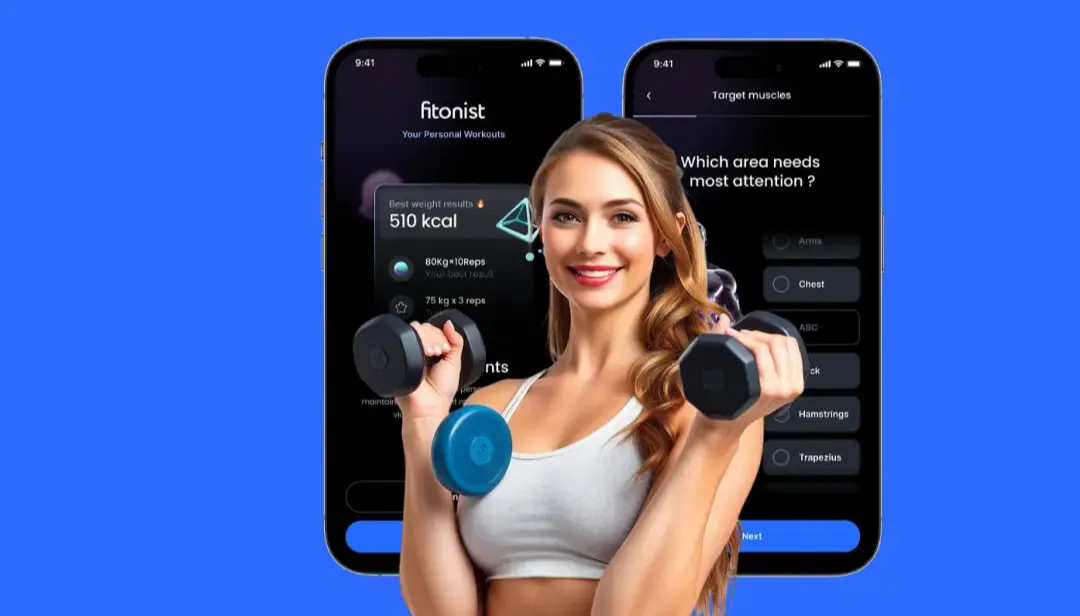
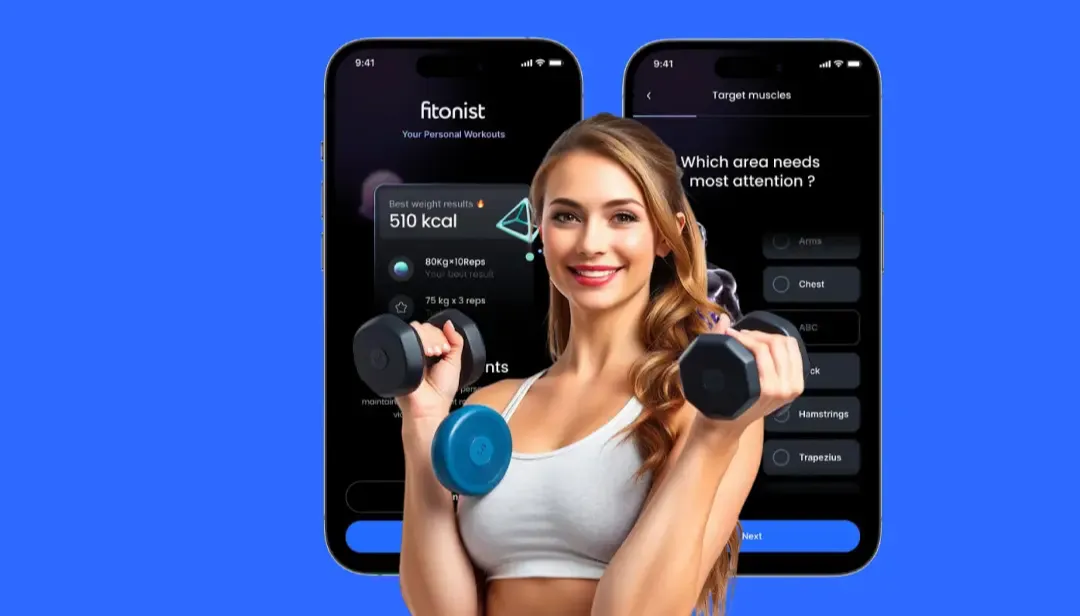
As fitness apps continue to evolve, users expect smarter and more intuitive experiences. Traditional keyword-based search often falls short when users type natural language queries such as “best workouts for weight loss,” “low-impact exercises for knee pain,” or “high-protein meals under 500 calories.” This is where AI-based semantic search comes into play.
Semantic search uses artificial intelligence (AI) and natural language processing (NLP) to understand the meaning behind a user’s query rather than simply matching keywords. By implementing semantic search, fitness apps can deliver more accurate, personalized, and relevant results, significantly improving user engagement and satisfaction.
In this article, we’ll explore how to build an AI-based semantic search system for a fitness app.
Contents
- 1 What Is Semantic Search?
- 2 Why Fitness Apps Need Semantic Search
- 3 Step 1: Define Your Search Objectives
- 4 Step 2: Organize and Label Your Data
- 5 Step 3: Use Natural Language Processing (NLP)
- 6 Step 4: Generate Embeddings
- 7 Step 5: Store Vectors in a Vector Database
- 8 Step 6: Build a Recommendation Engine
- 9 Step 7: Implement Hybrid Search
- 10 Step 8: Continuously Train the AI
- 11 Optimize for Voice Search
- 12 Prioritize Privacy and Security
- 13 Challenges of Semantic Search
- 14 Future of AI Search in Fitness Apps
- 15 Conclusion
What Is Semantic Search?
Semantic search is an AI-powered technology that understands the context and intent behind a user’s search query. Instead of searching for exact keyword matches, it analyzes the meaning of words and their relationships.
For example:
- Query: “Exercises for lower back pain”
- Traditional search: Looks for pages containing those exact words.
- Semantic search: Recommends stretching routines, yoga poses, core-strengthening exercises, and rehabilitation workouts related to lower back health.
This intelligent approach creates a more natural and user-friendly search experience.
Why Fitness Apps Need Semantic Search
Fitness apps often contain thousands of pieces of content, including:
- Workout programs
- Exercise tutorials
- Nutrition guides
- Healthy recipes
- Training plans
- Meditation sessions
- Wellness articles
Users may not know the exact title or keyword for the content they need. Semantic search bridges this gap by understanding user intent and returning the most relevant recommendations.
Key benefits include:
- Improved search accuracy
- Better user engagement
- Personalized fitness recommendations
- Higher content discoverability
- Increased app retention
Step 1: Define Your Search Objectives
Before building the system, identify what users should be able to search for.
Common fitness search categories include:
- Exercise types
- Muscle groups
- Fitness goals
- Workout duration
- Equipment needed
- Dietary preferences
- Calories burned
- Injury-friendly workouts
Having a clear understanding of user needs helps design an effective search architecture.
Step 2: Organize and Label Your Data
Semantic search relies on high-quality, structured data.
Each workout or content item should include metadata such as:
- Title
- Description
- Difficulty level
- Target muscles
- Exercise category
- Duration
- Calories burned
- Equipment required
- Suitable fitness level
- Health considerations
For example:
| Workout | Tags |
|---|---|
| HIIT Cardio Blast | Weight loss, cardio, advanced, 30 minutes |
| Beginner Yoga Flow | Flexibility, recovery, beginner, no equipment |
| Full Body Strength | Dumbbells, muscle building, intermediate |
Well-organized data improves search relevance.
Step 3: Use Natural Language Processing (NLP)
Natural Language Processing allows the app to understand conversational language.
For example, users may search:
- “Quick workout before work”
- “Exercises for bad knees”
- “Best meals after gym”
- “Home workouts with no equipment”
NLP identifies the intent behind these queries and converts them into meaningful search requests.
Popular NLP techniques include:
- Tokenization
- Named entity recognition
- Intent detection
- Sentence embeddings
- Context analysis
These techniques help the AI understand language similarly to humans.
Step 4: Generate Embeddings
Embeddings convert text into numerical vectors that represent semantic meaning.
Instead of matching exact words, the AI compares the similarity between vector representations.
For example:
- “Lose weight”
- “Burn fat”
- “Slim down”
Although the wording differs, embeddings recognize that these phrases have similar meanings.
Modern embedding models significantly improve semantic search performance.
Step 5: Store Vectors in a Vector Database
After generating embeddings, store them in a vector database.
Unlike traditional databases, vector databases search based on semantic similarity.
Popular vector databases include:
- Pinecone
- Weaviate
- Milvus
- Qdrant
- Chroma
These systems can retrieve relevant content within milliseconds, even from millions of records.
Step 6: Build a Recommendation Engine
Semantic search becomes even more powerful when combined with personalization.
The recommendation engine can consider factors such as:
- User fitness goals
- Workout history
- Favorite exercises
- Skill level
- Available equipment
- Age
- Activity patterns
For example, if a beginner frequently completes yoga sessions, searching for “morning workout” may prioritize beginner yoga over advanced CrossFit routines.
Step 7: Implement Hybrid Search
The best fitness apps combine semantic search with traditional keyword search.
Hybrid search allows users to find results using:
- Exact workout names
- Exercise categories
- Natural language
- Synonyms
- Misspellings
For example:
Search: “Abs workout”
Results may include:
- Core Strength Challenge
- Six-Pack Builder
- Plank Routine
- Lower Ab Workout
This combination provides both precision and flexibility.
Step 8: Continuously Train the AI
AI search improves over time through user feedback.
Monitor metrics such as:
- Search success rate
- Click-through rate
- Session duration
- Workout completion
- Saved workouts
- User ratings
Machine learning algorithms use this data to refine future search results and better understand user preferences.
Optimize for Voice Search
Many users interact with fitness apps using voice assistants.
Examples include:
- “Find a 20-minute cardio workout.”
- “Show beginner stretching exercises.”
- “Recommend healthy breakfast recipes.”
Voice-friendly semantic search makes fitness apps more accessible and convenient, especially during workouts.
Prioritize Privacy and Security
Fitness apps often collect personal health information. Developers should protect user data by implementing:
- Secure authentication
- Data encryption
- Permission controls
- Anonymous analytics
- Compliance with privacy regulations
Responsible AI practices help build user trust while safeguarding sensitive information.
Challenges of Semantic Search
Although highly effective, semantic search comes with challenges:
- Large computational requirements
- High-quality training data needs
- Continuous model updates
- Balancing speed with accuracy
- Managing multilingual searches
Addressing these issues requires careful planning and ongoing optimization.
Future of AI Search in Fitness Apps
The future of semantic search goes beyond text queries. Emerging AI technologies will enable:
- Image-based exercise search
- Voice coaching
- Real-time posture recognition
- Personalized nutrition planning
- Wearable device integration
- Predictive fitness recommendations
As AI continues to evolve, fitness apps will become increasingly intelligent, offering highly personalized health and wellness experiences.
Conclusion
Building an AI-based semantic search system for a fitness app transforms how users discover workouts, nutrition advice, and wellness content. By understanding intent instead of relying solely on keywords, semantic search delivers faster, smarter, and more personalized results.
From organizing structured data and generating embeddings to using vector databases and recommendation engines, each component plays a vital role in creating a seamless search experience. As AI technology advances, semantic search will become a standard feature in fitness applications, helping users achieve their health goals more efficiently while keeping them engaged with relevant, meaningful content.