
International Literacy Day: Why Every Child Deserves to Read and Learn
- August 22, 2026
- 0
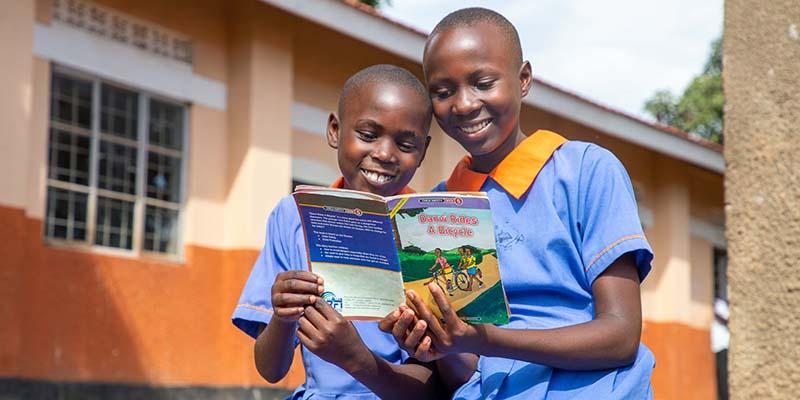
International Literacy Day is observed every year on September 8 to highlight the importance of literacy and education in creating a more equal and empowered society. Literacy is much more than the ability to read and write. It gives children the confidence to understand the world around them, express their ideas, make informed decisions and build a better future.
Yet millions of children around the world still face barriers that prevent them from receiving quality education. Poverty, lack of schools, inadequate learning resources, conflict, disability and social inequality can all affect a child’s opportunity to learn. International Literacy Day reminds us that every child deserves the chance to read, learn and dream.
Contents
Why Literacy Matters for Every Child
Reading is one of the first steps toward independent learning. When children learn to read, they gain access to books, stories, information and knowledge beyond their immediate surroundings. Literacy helps them understand instructions, communicate effectively and participate more confidently in school and society.
A child who can read is better equipped to explore subjects such as science, mathematics, history and technology. These skills can eventually open doors to higher education, employment and greater economic independence.
Education Builds Confidence and Opportunity
Education does not simply prepare children for exams. It helps them develop problem-solving skills, creativity, communication abilities and critical thinking.
A literate child can ask questions, understand different viewpoints and make informed choices. Over time, education can help break cycles of poverty by giving young people the skills needed to pursue better opportunities.
For many children, access to education can be the difference between limited choices and the possibility of building a fulfilling career.
The Challenges Children Still Face
Although education has expanded significantly across the world, access to meaningful learning remains unequal. Children from disadvantaged communities may not have proper schools, trained teachers, books or digital learning resources.
Girls in some communities may also face cultural and economic barriers to education. Children living in remote areas can struggle with transportation and school infrastructure. Conflict and displacement can further interrupt their education.
These challenges show why simply providing a place in school is not always enough. Children also need a safe environment, supportive teachers, appropriate learning materials and encouragement from their families and communities.
The Role of Parents and Communities
Parents play an important role in developing a child’s interest in reading and learning. Even simple activities such as reading a story together, discussing a book or encouraging a child to ask questions can make learning enjoyable.
Communities can also support literacy by creating libraries, reading clubs, learning centres and safe spaces where children can study. Volunteers and local organisations can help children who need additional academic support.
When children see education as something enjoyable rather than a burden, they are more likely to develop a lifelong love of learning.
Technology Can Support Literacy
Digital technology has created new opportunities for children to access educational content. Online books, educational videos, interactive learning platforms and digital libraries can supplement traditional classroom teaching.
However, access to technology is still unequal. The digital divide means that some children have computers, smartphones and reliable internet connections while others do not. Therefore, technology should complement education rather than become another barrier to it.
Schools and communities can help by providing affordable or shared access to digital learning resources.
Creating a Lifelong Love of Reading
Children should be encouraged to read beyond textbooks. Stories, comics, newspapers, biographies and age-appropriate digital content can all make reading more engaging.
Libraries can play a particularly important role by giving children access to a wide range of books. A welcoming library can become a place where children discover new interests, imagination and knowledge.
The goal should not simply be to teach children how to read. It should be to help them want to read.
Every Child Deserves the Chance to Learn
International Literacy Day is ultimately a reminder that literacy is a basic foundation for human development. Every child, regardless of their family income, location, gender or circumstances, deserves access to quality education.
Investing in children’s literacy means investing in stronger communities and a more capable future generation. When a child learns to read, a whole world of possibilities can open up.
On International Literacy Day, the message is simple but powerful: every child deserves a book, a teacher, a safe place to learn and the freedom to imagine a better future.