Modernization in Education: Features, Need, Impact & the Future of Learning
- February 16, 2026
- 0
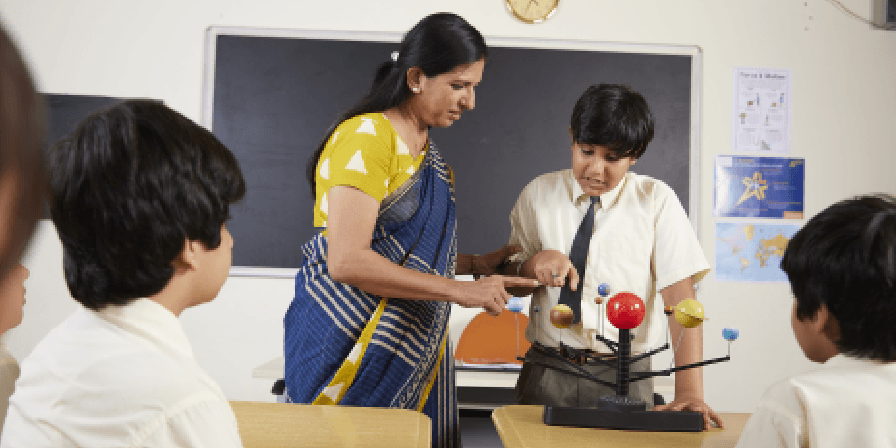
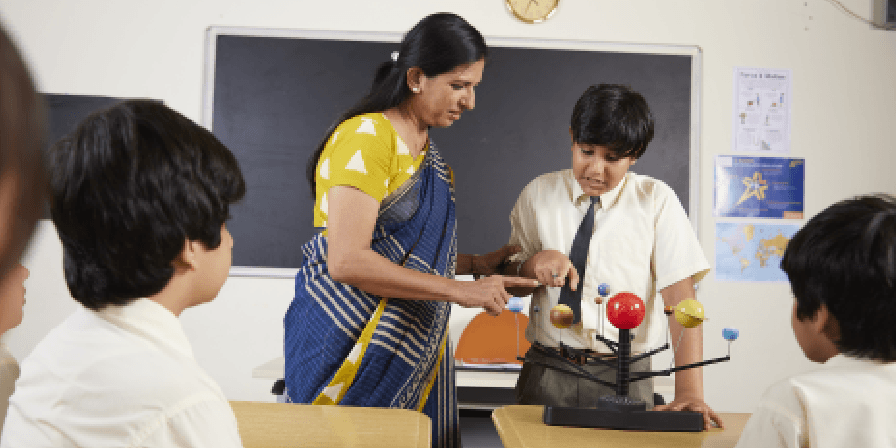
Education today looks very different from what it did even a decade ago. Classrooms are smarter, lessons are more interactive, and learning is no longer limited to textbooks. This transformation is the result of modernization in education — a shift that blends technology, updated teaching methods, improved infrastructure, and new assessment styles to meet the demands of today’s world.
Modern education now focuses on personalized, student-centered learning that nurtures not just academic success, but creativity, emotional intelligence, ethics, and real-world skills. Let’s explore what modernization in education truly means, why it’s necessary, its key features, challenges, and what the future holds.
Contents
- 1 What is Modernization in Education?
- 2 Why Modernization in Education is Necessary
- 3 4 Key Features of Modernization in Education
- 4 The Role of Technology in Modern Education
- 5 Modern Teaching Methods Supporting Educational Modernization
- 6 Modern Curriculum Development
- 7 Modern Assessment and Evaluation
- 8 The Changing Role of Teachers
- 9 5 Major Impacts of Modernization on Students
- 10 2. Development of Real-Life Skills
- 11 Modernization in Education in India
- 12 Inclusive Education and Modernization
- 13 6 Challenges of Modernization in Education
- 14 The Future of Modern Education
- 15 Conclusion
What is Modernization in Education?
Modernization in education refers to upgrading traditional education systems to align with present-day social, economic, technological, and cultural realities. It involves adopting new ideas, tools, and teaching practices to improve learning outcomes and overall efficiency.
Instead of relying solely on teacher-led lectures and textbook memorization, modern education emphasizes:
-
Active student participation
-
Skill-based and competency-driven learning
-
Technology integration
-
Interdisciplinary approaches
-
Inclusive and adaptive education
The goal is holistic development — nurturing intellectual growth, creativity, emotional strength, ethics, and practical life skills. Education is no longer just preparation for exams; it is preparation for life.
Why Modernization in Education is Necessary
1. Rapid Technological Advancement
Information today is accessible within seconds. Students don’t just need to memorize facts — they must learn to analyze, evaluate, and apply knowledge critically. Traditional systems focused on rote learning struggle to meet these demands.
2. Globalization and Workforce Demands
Modern workplaces require:
-
Communication skills
-
Teamwork
-
Cultural awareness
-
Adaptability
-
Creative problem-solving
Without educational reform, graduates risk being unprepared for evolving job markets.
3. Social Equity and Inclusion
Modernization promotes equal learning opportunities regardless of background, ability, or location. It aims to reduce educational inequality through inclusive policies and digital access.
4. Lifelong Learning
In a rapidly changing world, skills quickly become outdated. Education must encourage continuous learning so individuals can adapt throughout their lives.
4 Key Features of Modernization in Education
1. Shift from Teacher-Centered to Learner-Centered Education
Traditional classrooms positioned teachers as the sole knowledge providers. Modern education places students at the center.
This approach encourages:
-
Active participation
-
Critical thinking
-
Collaboration
-
Independent learning
Students become active contributors rather than passive listeners.
2. Curriculum Reform
Older curriculums focused heavily on theoretical knowledge and rigid subject divisions. Modern curriculums emphasize:
-
Critical thinking
-
Communication
-
Digital literacy
-
Ethical reasoning
-
Real-world application
They are flexible, interdisciplinary, and competency-based.
3. Technology Integration
Technology plays a major role in modern education through:
-
Online learning platforms
-
Virtual classrooms
-
Digital tools and software
-
Simulations and interactive resources
When used effectively, technology supports personalized learning and increases engagement.
4. Continuous and Formative Assessment
Instead of relying solely on final exams, modern education uses:
-
Projects
-
Presentations
-
Group discussions
-
Quizzes
-
Self and peer assessment
Formative assessments provide regular feedback, helping students understand strengths and areas for improvement.
The Role of Technology in Modern Education
Technology has significantly transformed education in several ways:
Increased Accessibility
Online platforms break geographical barriers, allowing students to learn from anywhere. Virtual classrooms, e-books, and digital tools make education more inclusive.
Personalized Learning
Adaptive learning systems analyze student performance and adjust content accordingly. This ensures that learners receive the right level of challenge and support.
Enhanced Collaboration
Students can collaborate globally through online projects and discussions, building teamwork and cultural awareness.
Teacher Support
Teachers benefit from digital tools for lesson planning, assessment tracking, and professional development.
Modern Teaching Methods Supporting Educational Modernization
1. Project-Based Learning
Students work on real-world projects that require research, problem-solving, and collaboration. This builds practical and analytical skills.
2. Experiential Learning
Learning through experience — such as internships, experiments, field trips, and simulations — improves understanding and retention.
3. Blended Learning
A combination of in-person and online learning allows flexibility while maintaining interactive classroom experiences.
4. Collaborative Learning
Group discussions and teamwork activities promote critical thinking, communication skills, and interpersonal development.
Modern Curriculum Development
Modern curriculum design focuses on life skills alongside academic knowledge. It encourages:
-
Interdisciplinary learning
-
21st-century skills
-
Environmental awareness
-
Value education
-
Global citizenship
Regular updates ensure content remains relevant to societal and technological advancements.
Modern Assessment and Evaluation
Modern evaluation systems measure not just knowledge but also growth, skills, and overall development.
Assessment methods include:
-
Portfolios
-
Projects
-
Presentations
-
Continuous feedback
-
Digital evaluation tools
This approach reduces exam stress and encourages creativity.
The Changing Role of Teachers
In modern education, teachers are no longer just information providers. They act as:
-
Facilitators
-
Mentors
-
Advisors
-
Co-learners
They create inclusive classrooms, integrate technology, and encourage independent thinking. Continuous professional development is essential for teachers to stay updated.
5 Major Impacts of Modernization on Students
1. Higher Engagement
Interactive methods and technology make learning more engaging and enjoyable.
2. Development of Real-Life Skills
Students build communication, teamwork, adaptability, and problem-solving skills.
3. Access to Digital Resources
Online materials and global platforms expand learning beyond textbooks.
4. Global Exposure
International collaborations broaden perspectives and cultural awareness.
5. Personalized Learning
Students learn at their own pace with customized support.
Modernization in Education in India
India has seen significant educational reforms in recent years. The National Education Policy (NEP 2020) emphasizes:
-
Skill-based learning
-
Multidisciplinary education
-
Critical thinking
-
Digital integration
Platforms like DIKSHA and SWAYAM have improved online learning accessibility, especially in remote regions. India’s modernization efforts aim to balance global standards with cultural values.
Inclusive Education and Modernization
Modern education promotes inclusion by:
-
Supporting diverse learning needs
-
Using assistive technologies
-
Adapting teaching methods
-
Creating supportive environments
The goal is equal opportunity for every learner.
6 Challenges of Modernization in Education
1. Digital Divide
Not all students have equal access to devices or internet connectivity, leading to inequality.
2. Resistance to Change
Teachers, parents, and institutions may resist adopting new methods due to uncertainty or lack of familiarity.
3. Lack of Training
Teachers require adequate training in modern pedagogy and technology.
4. Infrastructure and Funding Limitations
Many institutions lack resources for smart classrooms and digital tools.
5. Over-Reliance on Technology
Excessive screen time can reduce in-person interaction and hands-on learning.
6. Ethical and Privacy Concerns
Digital platforms raise issues related to data protection, cybersecurity, plagiarism, and misuse of AI tools.
The Future of Modern Education
The future of education is dynamic and technology-driven. Emerging tools like:
-
Artificial Intelligence
-
Virtual Reality
-
Adaptive Learning Systems
will make learning more personalized and immersive.
Education systems will increasingly focus on:
-
Lifelong learning
-
Interdisciplinary education
-
Competency-based assessment
-
Creativity and innovation
-
Emotional intelligence
-
Ethical responsibility
Inclusivity and sustainability will remain central priorities.
Conclusion
Modernization in education represents a global shift toward smarter, more inclusive, and skill-oriented learning systems. It moves beyond rote memorization to foster real understanding, adaptability, and lifelong growth.
Today’s classrooms are evolving from teacher-centered models to learner-centered environments that prepare students not only for exams, but for meaningful participation in the 21st-century world.
Modern education is not just about keeping up with change — it is about preparing future generations to lead it.