
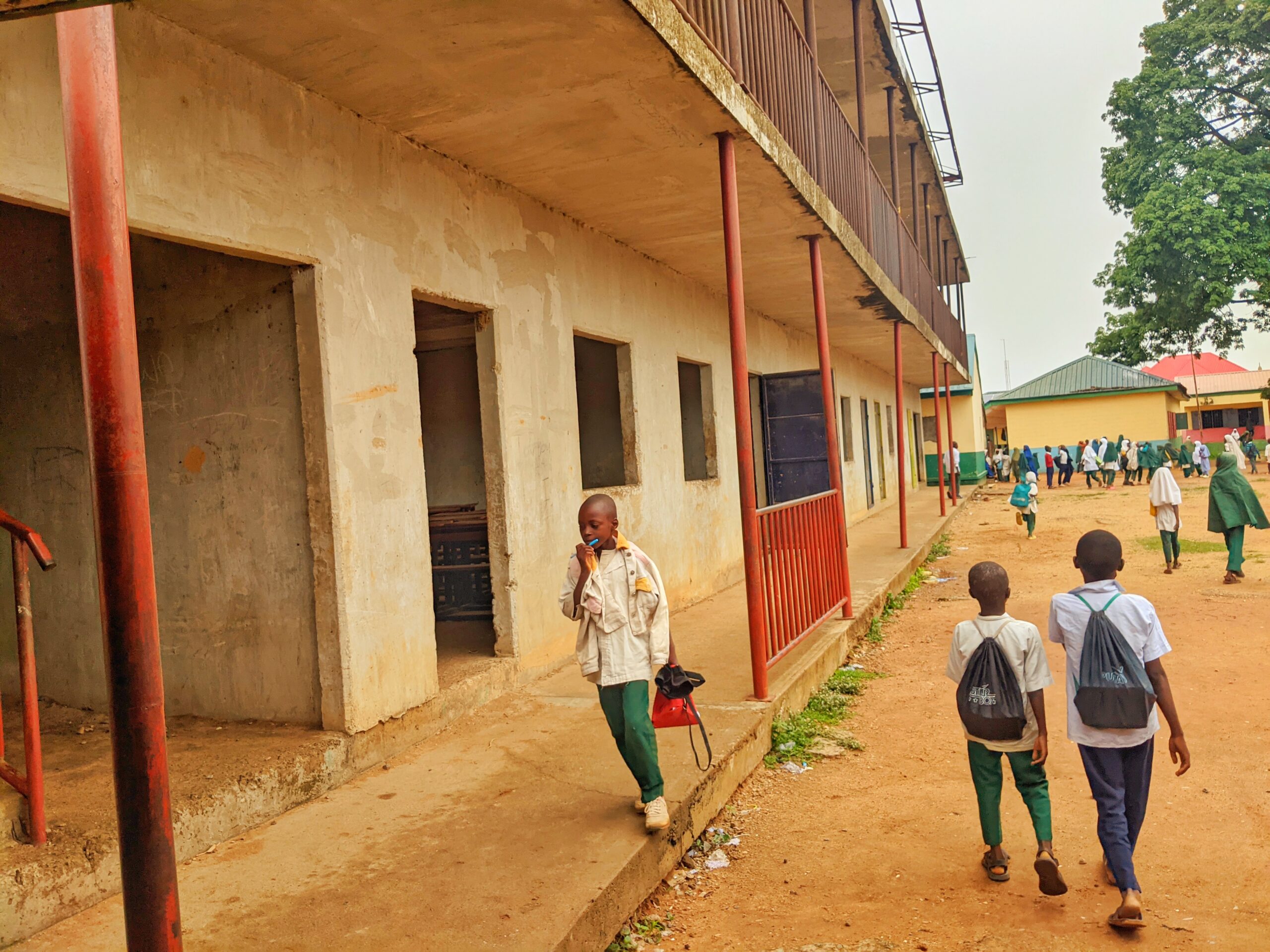
Kaduna State, Nigeria: Opening Doors to Education for More Children
- April 9, 2026
- 0

Musa was once among the millions of children in Nigeria who were out of school. Bright and eager to learn, he was held back by challenges like poverty and spent four years without access to formal education.
His situation changed when a Save the Children team visited his community in Sabon Gari, Kaduna State. They were identifying children for the Reaching Out-of-School Children initiative—led by the Kaduna State Ministry of Education with support from the Global Partnership for Education (GPE), the Islamic Development Bank, and other partners.
This program is designed to help children who have missed out on schooling regain lost learning and transition back into education.
After joining, Musa not only resumed his studies but also became a champion for education in his community. He encouraged 11 other out-of-school children to enroll, reflecting the program’s wider mission: to reduce the number of out-of-school children, promote inclusive and quality education, and strengthen community involvement.
Barriers Holding Children Back
Kaduna State has one of the highest rates of out-of-school children in Nigeria. A 2020 survey revealed that 31% of children of primary school age were not attending school.
Several factors contribute to this situation:
- Poverty, which forces families to prioritize earning a living over education
- Preference for religious-only education, limiting access to formal schooling
- Lack of infrastructure and resources, making it difficult to deliver quality education for all
To tackle these challenges, Kaduna State—supported by the Islamic Development Bank—is expanding access to education, increasing enrollment, and helping children complete primary school, especially girls, adolescents, and children with disabilities.
The program has also improved planning and outreach. A mapping exercise across nine local government areas identified over 41,500 out-of-school children. Additionally, the 2024/2025 Annual School Census included public, private, and integrated Qur’anic and Tsangaya institutions, providing reliable data to guide policy and decision-making.
Transforming Lives Through Education
Sani’s Story
Seventeen-year-old Sani spent nine years studying only within the Qur’anic Tsangaya system. Through the program, he joined flexible accelerated classes that fit his schedule.
Within six months, he began recognizing the English alphabet, reading simple sentences, and actively participating in lessons.
“I want to become a lawyer so I can stand up for others and make a difference,” he says.
Aisha’s Story
Aisha, 14, often missed school due to a lack of menstrual hygiene products. The fear and embarrassment caused her to withdraw from both school and her peers.
Her experience changed after receiving a hygiene kit from Save the Children, which included sanitary pads, soap, clothing essentials, and other supplies.
“I used to feel scared during my period,” Aisha shares. “Now I feel free and happy.”
She is among more than 930 girls who have benefited from this support, allowing them to attend school confidently and focus on learning.
Garba’s Story
Garba Abdu Babawo, a teacher and disability inclusion advocate, plays a crucial role in the program. Living with mobility challenges himself, he understands the barriers faced by children with disabilities.
He works to identify and enroll these children in learning programs while also engaging communities, supporting families, and mentoring educators.
“Every child deserves a chance to learn, no matter their ability,” Garba emphasizes.
His efforts are helping change perceptions and strengthen inclusive education systems across the state.
Moving Forward
Despite financial limitations, innovative funding approaches and strong partnerships are helping Kaduna State scale its education initiatives. These efforts are ensuring that more children—especially those facing the greatest challenges—can access classrooms and quality learning opportunities.
Stories like Musa’s highlight the real impact of these programs. With continued support and commitment, Kaduna State is making steady progress toward a future where every child has the opportunity to learn and succeed.