
How AI Is Used in Sports: Coaching, Personalization, & More
- January 31, 2026
- 0
Sports analysis was limited to looking at game tapes and simple box scores for a long time. While modern computers brought better statistics, AI has truly transformed how teams use information.
Today, AI connects sensor data from athletic wearables, video feeds from venue cameras, and behavioral patterns from fans. These streams create a complete, real-time view of each game when combined. This changes how athletes train, how teams build strategy, and what audiences expect when they watch sports.
That change is already apparent. Eighty percent of surveyed fans believe technology, specifically AI, will have the greatest influence on how they follow sports by 2027. Additionally, AI-powered insights and commentary on past, present, and upcoming events is desired by 56% of these fans. In this post, we discuss nine important sports AI applications that are enhancing fan experiences and performance.
Contents
How Is AI Used in Sports?
Modern sports organizations rely on multiple AI systems that often work together and draw from the same underlying data. Information about player health, movement, and workload can inform both training decisions and in-game strategy.
AI systems look at a lot of data streams to find patterns for things like athlete skill and stamina. They are able to identify tendencies, such as when a player is more likely to pass rather than shoot, which helps teams anticipate the behavior of their opponents and adjust their strategies.
LaLiga is one of the first sports organizations to support internal decision-making in areas like athlete development, match analysis, and everyday workflow management with a large-scale agentic AI model.
Nine Sports Uses of AI
Here are several examples of how AI is being applied to make sports smarter, safer, and more engaging.
Performance of the Player and Athlete Health
AI is becoming increasingly important in assisting teams in safeguarding player health and sustaining peak performance.
These systems continuously analyze physical, biometric, and movement data that support coaches and medical staff in the following ways:
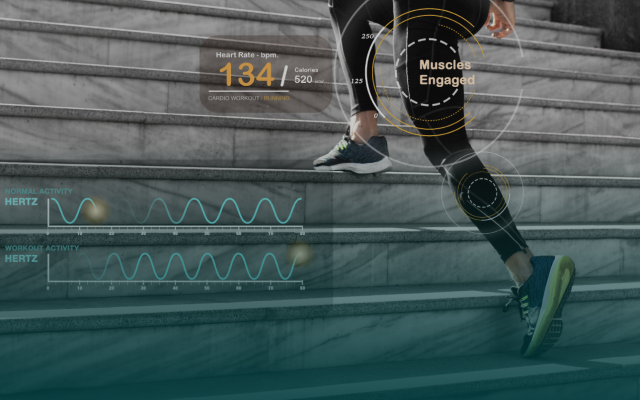
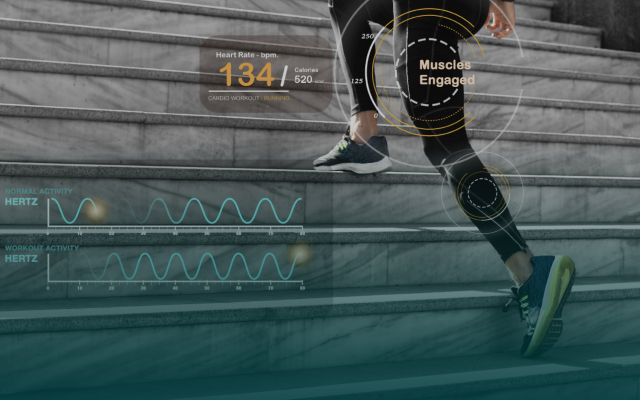
Fatigue Monitoring: AI systems constantly track data from players’ smartwatches and vests for heart rate, sleep quality, acceleration patterns, and more. As a result, they are able to spot even the tiniest indications of a player’s exhaustion or slight drop in performance, such as slower reaction times, long before a coach or player even notices.
Injury Risk Detection: Advanced models assess movement patterns during running, jumping, and direction changes. By comparing how a player loads their left and right sides, or how their gait shifts under fatigue, the system can flag elevated injury risk, allowing medical staff to adjust training plans early.
Support for Real-Time Decisions: In real-time dashboards used by coaches and training staff, AI-powered tools collect this data. These dashboards show current fatigue levels, injury risk indicators, and performance consistency, helping staff decide when a player needs rest, lighter training, or workload adjustments.
The goal of developing a product for coaches or performance teams is to quickly convert complex player data into actionable signals.