
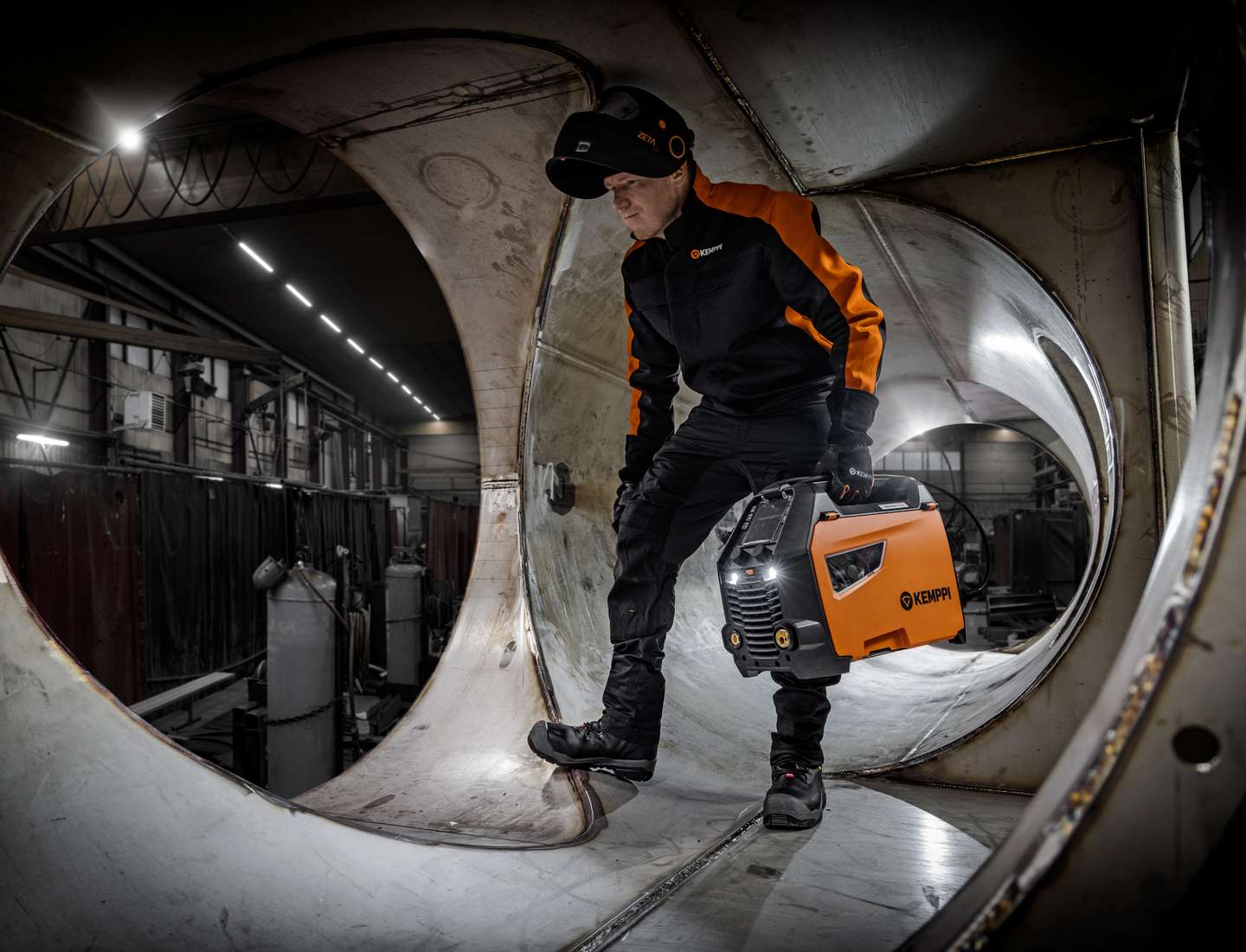
How Kemppi Supports Defence Shipyard Welding from Steel to Aluminium
- July 11, 2026
- 0
Contents
- 1
- 2 Introduction
- 3 The Growing Complexity of Defence Shipbuilding
- 4 Why Steel and Aluminium Are Both Essential
- 5 Advanced Welding Solutions for Every Material
- 6 Precision Welding Improves Naval Reliability
- 7 Digital Welding Enhances Quality Control
- 8 Supporting Skilled Welders
- 9 Efficient Aluminium Welding
- 10 Heavy-Duty Steel Fabrication
- 11 Automation for Modern Shipyards
- 12 Improving Productivity Across the Shipyard
- 13 Safety and Ergonomics
- 14 Sustainability in Defence Manufacturing
- 15 The Future of Defence Shipyard Welding
- 16 Conclusion
Introduction
Modern defence shipbuilding demands exceptional precision, durability, and efficiency. From constructing naval frigates and submarines to patrol vessels and support ships, every weld must meet strict military standards. As shipyards increasingly use a combination of traditional steel and lightweight aluminium, advanced welding technology has become more important than ever.
Kemppi, a globally recognized manufacturer of welding equipment and digital welding solutions, supports defence shipyards with innovative technologies designed to improve productivity, quality, and traceability. Whether working with high-strength steel for hulls or aluminium for superstructures, Kemppi’s welding systems help manufacturers achieve reliable, high-quality results in even the most demanding environments.
The Growing Complexity of Defence Shipbuilding
Defence vessels are significantly more complex than commercial ships. They must withstand harsh marine conditions, heavy operational loads, and strict safety regulations while incorporating advanced weapon systems, electronics, and communication equipment.
Shipbuilders face several welding challenges, including:
- Working with multiple metal types
- Maintaining structural integrity
- Meeting military quality standards
- Reducing production time
- Managing large-scale fabrication projects
- Ensuring complete weld documentation
Modern welding equipment must deliver consistent performance across these varied applications.
Why Steel and Aluminium Are Both Essential
Defence shipyards commonly use both steel and aluminium because each material offers unique advantages.
Steel for Strength and Durability
Steel remains the backbone of naval construction due to its:
- High structural strength
- Excellent impact resistance
- Long service life
- Superior load-bearing capability
- Cost-effectiveness
Hulls, internal frames, decks, and critical structural components are often fabricated from high-strength steel.
Aluminium for Weight Reduction
Aluminium is increasingly used for:
- Superstructures
- Radar masts
- Deckhouses
- Fast patrol boats
- Interior components
Its lightweight properties reduce vessel weight, improve fuel efficiency, increase speed, and enhance overall operational performance.
Advanced Welding Solutions for Every Material
One of Kemppi’s strengths is offering welding solutions suitable for a wide range of materials and welding processes.
These include:
- MIG/MAG welding
- TIG welding
- Pulsed MIG welding
- Multi-process welding
- Robotic welding integration
These technologies allow shipyards to switch between steel and aluminium fabrication while maintaining consistent weld quality.
Precision Welding Improves Naval Reliability
In defence manufacturing, even minor welding defects can lead to costly repairs or compromise vessel performance.
Advanced welding systems provide features such as:
- Stable arc performance
- Precise heat control
- Reduced spatter
- Consistent penetration
- Improved weld appearance
These capabilities help produce stronger welds while reducing the likelihood of rework.
Digital Welding Enhances Quality Control
Modern defence projects require complete documentation for every stage of production.
Digital welding management systems help shipyards monitor:
- Welding parameters
- Operator performance
- Heat input
- Weld quality
- Production efficiency
- Equipment utilization
This level of digital traceability simplifies inspections and supports compliance with military quality standards.
Supporting Skilled Welders
Even experienced welders benefit from advanced equipment designed to simplify complex tasks.
Modern welding machines provide:
- User-friendly interfaces
- Pre-programmed welding settings
- Material-specific welding programs
- Adaptive arc control
- Easy parameter adjustments
These features help reduce operator errors while improving productivity across large shipbuilding projects.
Efficient Aluminium Welding
Aluminium presents unique welding challenges because it conducts heat quickly and forms an oxide layer that requires careful preparation.
Specialized aluminium welding technologies offer:
- Smooth wire feeding
- Stable arc ignition
- Controlled heat input
- Reduced distortion
- Cleaner welds
These capabilities make it easier to fabricate lightweight naval components with high precision.
Heavy-Duty Steel Fabrication
Large naval vessels require welding of thick steel plates and structural components.
Advanced welding systems support:
- Deep weld penetration
- High deposition rates
- Multi-pass welding
- Reliable arc stability
- Reduced downtime
These features increase production speed without sacrificing weld quality.
Automation for Modern Shipyards
Automation has become increasingly important in defence manufacturing.
Robotic welding systems provide several advantages:
- Consistent weld quality
- Faster production
- Reduced labor-intensive tasks
- Improved worker safety
- Lower material waste
Automated welding also ensures repeatable results across large production runs.
Improving Productivity Across the Shipyard
Efficient welding solutions help reduce overall production costs by:
- Minimizing rework
- Reducing consumable usage
- Increasing arc-on time
- Lowering maintenance requirements
- Simplifying workflow management
These improvements allow shipyards to deliver projects on schedule while maintaining strict quality standards.
Safety and Ergonomics
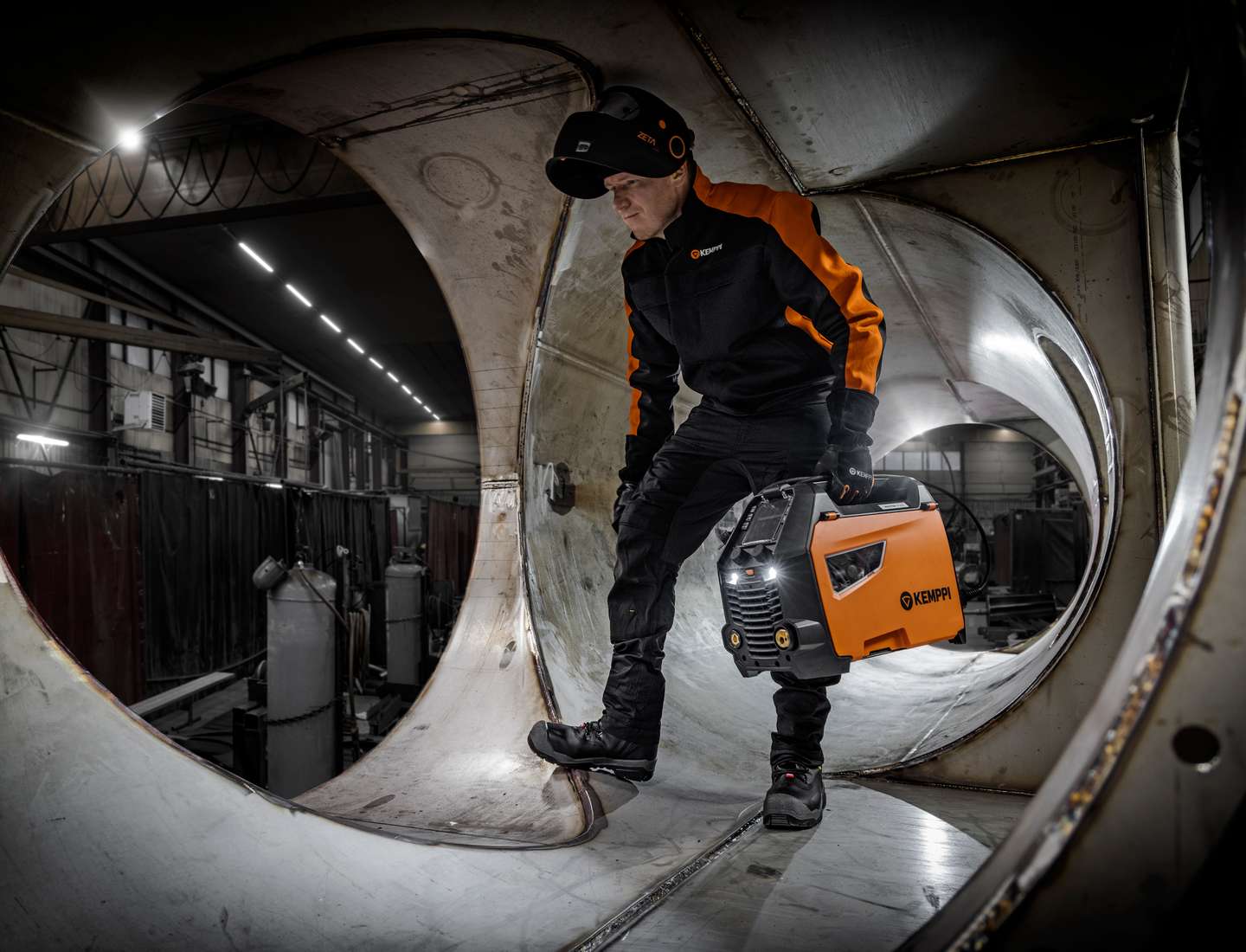
Shipyard welding often takes place in confined spaces and challenging working conditions.
Modern welding equipment contributes to safer operations by offering:
- Lightweight portable machines
- Better cable management
- Reduced fume exposure through compatible extraction systems
- Clear digital displays
- Improved operator ergonomics
Safer working environments help increase both productivity and employee well-being.
Sustainability in Defence Manufacturing
Environmental responsibility is becoming an important consideration in shipbuilding.
Efficient welding technologies support sustainability through:
- Lower energy consumption
- Reduced material waste
- Improved welding efficiency
- Longer equipment lifespan
- Optimized resource utilization
These practices help shipyards reduce their environmental footprint while maintaining high production standards.
The Future of Defence Shipyard Welding
As naval vessels become more technologically advanced, welding solutions will continue to evolve. Future developments are expected to include artificial intelligence-assisted welding, predictive maintenance, greater robotic integration, and enhanced digital monitoring. These innovations will further improve efficiency, accuracy, and quality while supporting the construction of next-generation defence vessels.
Conclusion
Defence shipbuilding requires welding solutions that deliver strength, precision, and reliability across a variety of materials. From heavy-duty steel hulls to lightweight aluminium superstructures, advanced welding technology plays a vital role in ensuring every component meets strict military standards. By combining innovative welding equipment, digital quality management, automation capabilities, and user-friendly systems, Kemppi helps defence shipyards improve productivity, maintain exceptional weld quality, and meet the evolving demands of modern naval construction. As defence manufacturing continues to advance, reliable welding technology will remain a cornerstone of building safer, stronger, and more efficient vessels.